What is a Chamber Music Conductor?
A chamber music conductor leads a small group of musicians, usually three to ten players, during performances of classical music. They guide the pace, balance, and feeling of the music so the group plays together smoothly and expressively. This role is important because chamber music is very personal and collaborative. The conductor helps bring out the emotion in the music and blends each musician’s talent into a unified performance.
Chamber music conductors usually work in the classical music field with professional ensembles, university groups, or community organizations. They often perform works by composers like Wolfgang Amadeus Mozart or Ludwig van Beethoven. They work in places such as concert halls, music festivals, or recording studios, where rehearsals focus on close teamwork. To succeed, they need strong musical knowledge, clear conducting gestures to guide tempo and cues, sharp listening skills, and the ability to encourage collaboration among talented musicians.
What does a Chamber Music Conductor do?
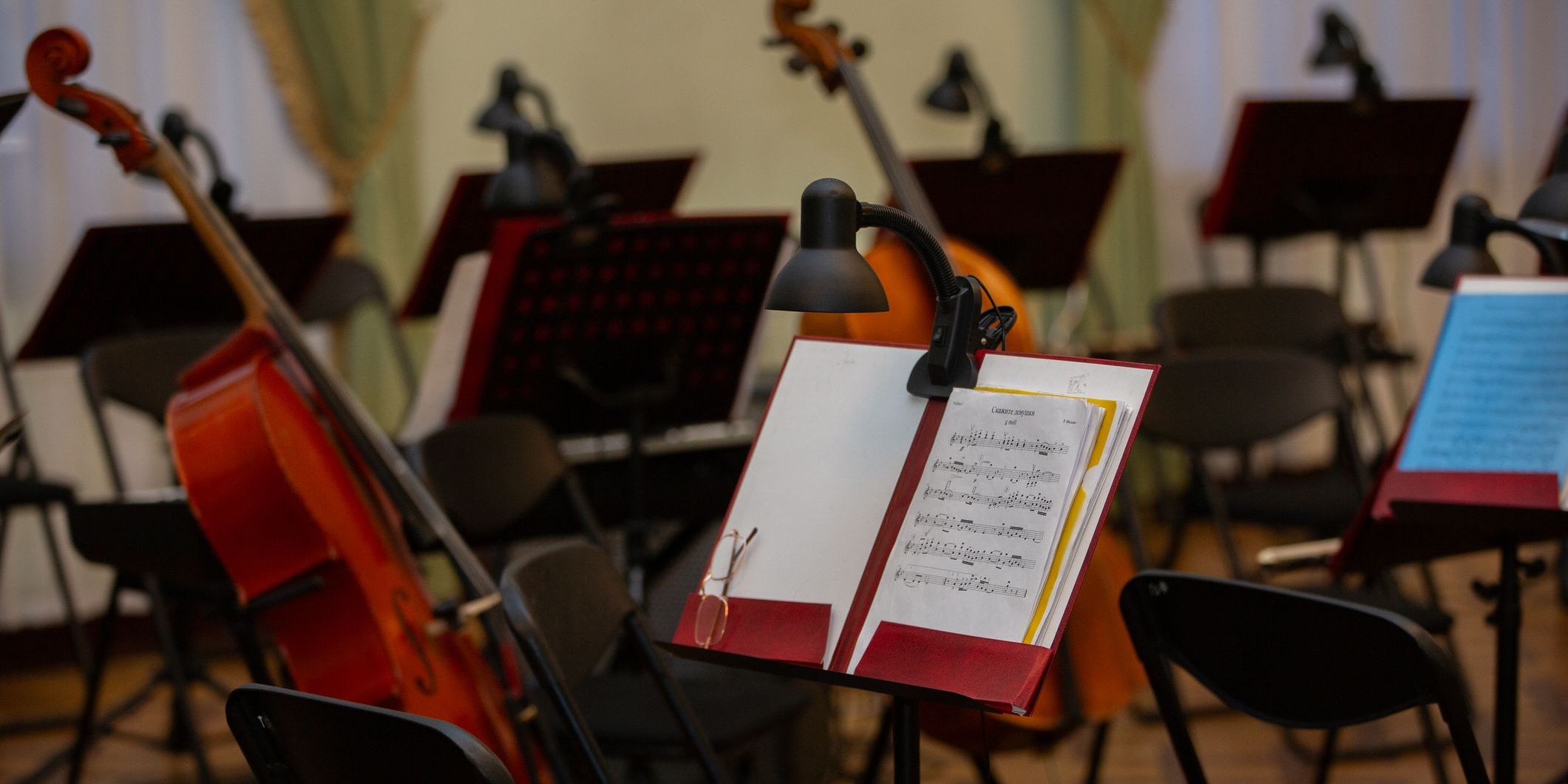
Duties and Responsibilities
Chamber music conductors take on a mix of creative and practical tasks.
- Research: Conductors study musical scores in detail before rehearsals. This preparation helps them grasp the composer's intent and plan how the group will interpret each section.
- Rehearsal Direction: They lead practice sessions with the ensemble, using hand gestures and a baton to set tempo and cues. These sessions focus on fixing balance and phrasing until the music flows smoothly as a team.
- Performance Leadership: During concerts, conductors stand in front of the group and guide the live show with clear signals. Their role keeps everyone together, even in the excitement of a full audience.
- Score Annotation: Conductors mark up printed scores with notes using pencils or digital apps like forScore on tablets. These personal marks remind them of key changes during fast-paced rehearsals or shows.
- Collaborative Planning: They meet with musicians to discuss ideas and make group decisions on style. This teamwork builds trust and lets the ensemble's strengths shine in intimate chamber settings.
- Scheduling and Deadlines: Conductors set rehearsal times and meet concert deadlines set by venues or festivals. They also ensure compliance with union rules for professional players, like rest periods between sessions.
- Professional Development: Conductors attend workshops or follow online resources from groups like the Conductors Guild to stay sharp. This ongoing learning keeps their skills fresh amid evolving performance practices.
Types of Chamber Music Conductors
Chamber music conductors specialize in different paths, each suited to unique group sizes, venues, or focuses within classical music.
- String Quartet Conductor: This type of conductor guides small teams of violin, viola, cello, and sometimes bass players. Their main focus is on tight-knit interplay in works by composers like Haydn, where every note blends perfectly.
- Piano Trio Conductor: They lead groups with piano, violin, and cello for cozy chamber concerts. What makes it unique is balancing the piano's power with the strings' delicacy in pieces by Schubert or Brahms.
- Wind Ensemble Conductor: This specialist directs small bands of winds and brass for lively indoor shows. Their emphasis lies in crisp rhythms and colorful tones, often in modern or historical wind repertoire.
- Festival Conductor: They helm short-term projects at summer music festivals with rotating players. The standout feature is quick bonding with new musicians to deliver high-energy, one-off performances.
- Youth Chamber Conductor: This type of conductor works with high school or college students in educational ensembles. Their unique angle involves teaching technique alongside conducting to nurture the next generation of players.
- Contemporary Chamber Conductor: They specialize in new music for small groups, often with experimental scores. What sets it apart is collaborating with living composers to premiere fresh works that push musical boundaries.
Chamber music conductors have distinct personalities. Think you might match up? Take the free career test to find out if chamber music conductor is one of your top career matches. Take the free test now Learn more about the career test
What is the workplace of a Chamber Music Conductor like?
A chamber music conductor often spends a lot of time studying musical scores and planning rehearsals before meeting with the ensemble. They decide how the music should flow, where the emotional highlights are, and how the musicians should work together. This preparation helps rehearsals run smoothly and allows the group to focus on refining the performance rather than learning the basics.
During rehearsals, the conductor listens carefully and gives feedback to improve timing, balance, and expression. Because the group is small, musicians can hear each other clearly, so the conductor helps fine-tune details such as dynamics and phrasing. Rehearsals are usually collaborative, with musicians sharing ideas and working together to improve the overall performance.
The job can include a mix of rehearsals, performances, and planning time. Conductors may work evenings or weekends when concerts take place, and they sometimes travel to perform with different ensembles or at music festivals. They may also work with music schools, universities, or community groups, helping musicians develop their skills while preparing for upcoming concerts. 🎼
Frequently Asked Questions
Music-Related Careers and Degrees
Careers
- A&R Administrator
- A&R Coordinator
- A&R Representative
- Ballet Conductor
- Booking Agent
- Cabaret Performer
- Chamber Music Conductor
- Choir Director
- Choral Conductor
- Composer
- Conductor
- Digital Remastering Engineer
- Drag Performer
- Ethnomusicologist
- Jingle Writer
- Librettist
- Live Sound Engineer
- Lyricist
- Music Arranger
- Music Artist
- Music Business Manager
- Music Contractor
- Music Copyist
- Music Critic
- Music Editor
- Music Executive
- Music Historian
- Music Librarian
- Music Manager
- Music Producer
- Music Promoter
- Music Publicist
- Music Publisher
- Music Supervisor
- Music Teacher
- Music Therapist
- Music Studio Owner
- Musical Theater Conductor
- Musician
- Opera Conductor
- Orchestral Conductor
- Orchestrator
- Performer
- Piano Accompanist
- Piano Tuner
- Recording Engineer
- Road Manager
- Session Musician
- Singer
- Songwriter
Degrees
Chamber Music Conductors are also known as:
Chamber Ensemble Director