What is a Music Professor?
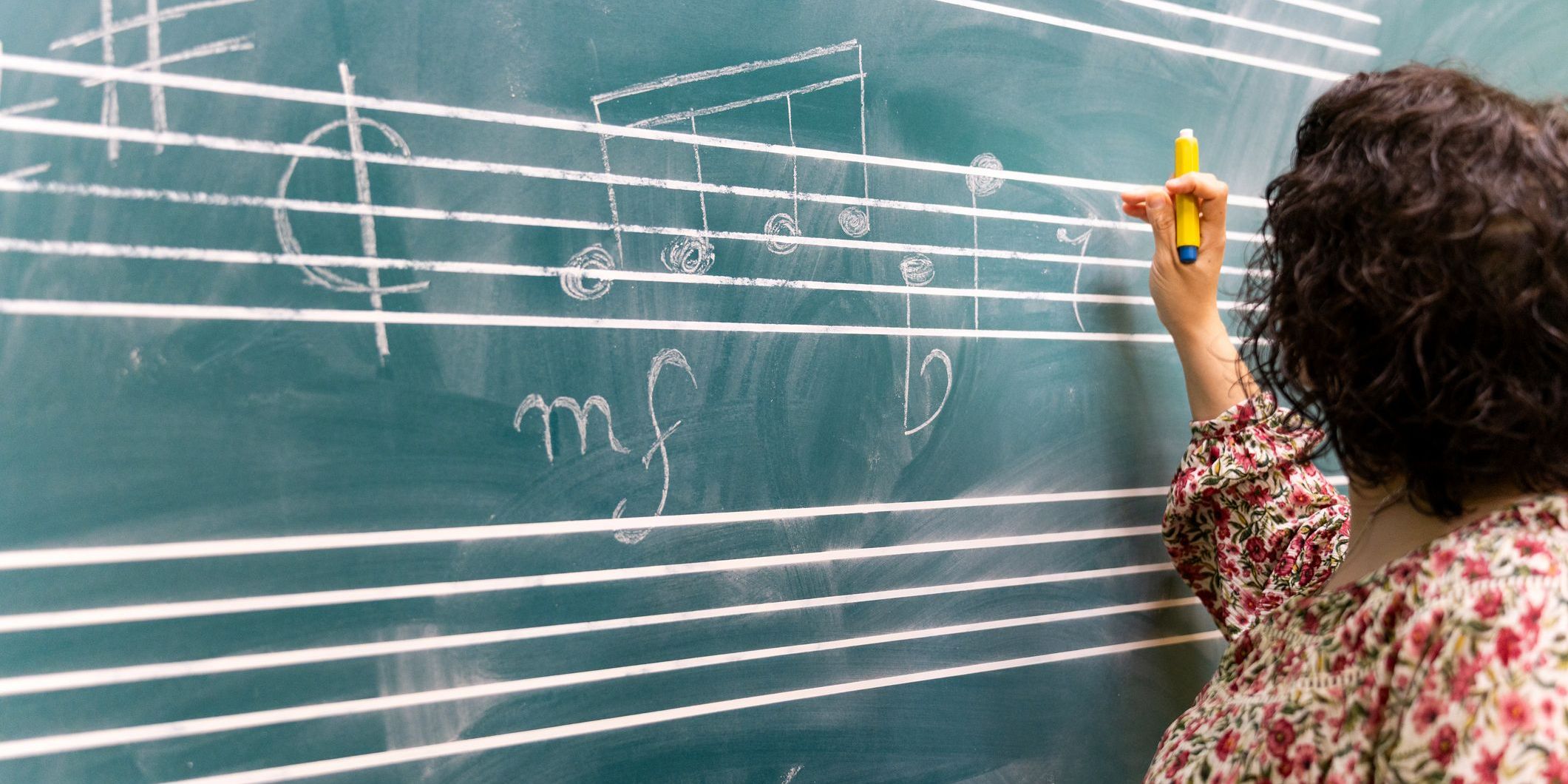
A music professor teaches students how music works and how to create and perform it. They cover both practical skills—like playing instruments, singing, or conducting—and the theory behind music, such as structure, rhythm, and harmony. They also help students explore different styles and develop their own musical voice, whether through performing, composing, or studying music from around the world.
Music professors usually work in universities, colleges, conservatories, or community programs. Some also stay active in the music world by working with orchestras, theater groups, or doing research. To succeed in this career, they need strong communication, leadership, and listening skills, along with a solid understanding of music theory, performance, and history.
What does a Music Professor do?
Duties and Responsibilities
While every professor’s day can look a bit different, most blend classroom instruction with creative practice and ongoing professional growth.
- Teaching and Instruction: A music professor designs and teaches courses in areas such as performance, composition, or music theory. Lessons may take place in classrooms, rehearsal spaces, or music labs using tools like pianos, digital audio workstations, or recording software.
- Student Mentorship: Guiding students is a key part of the role, from giving feedback during rehearsals to helping plan future academic or performance goals. Professors often meet individually with students to track progress, prepare recitals, and build confidence.
- Research: Many music professors conduct research that explores topics like music history, education, or technology in performance. This work often leads to published papers, presentations, or creative projects that contribute to the wider musical community.
- Collaboration and Performance: Professors frequently perform in or conduct ensembles, collaborate with colleagues, and coordinate concerts or public performances. These events usually follow specific rehearsal schedules and require teamwork to meet performance deadlines.
- Curriculum Development: Creating and updating program materials is essential for keeping music education current and engaging. Professors design syllabi, select repertoire, and integrate new technologies that reflect trends in music and teaching practices.
- Professional Development: Staying updated with emerging research, software, and educational methods helps professors keep their courses relevant. Many attend conferences, join professional associations, or take continuing education courses to keep their skills sharp.
Types of Music Professors
There are several types of music professors, each focusing on a different area of expertise within the field.
- Music Theory Instructor: This music professor teaches how music is structured, focusing on harmony, melody, and rhythm. They help students understand the building blocks behind what they hear and perform.
- Music History Professor: The focus of this role is on exploring how music has developed across cultures and time periods. Lessons often connect historical movements or composers to modern musical practices and ideas.
- Performance Professor: These professors specialize in teaching the technique and artistry of specific instruments or voice. These professors often lead studio sessions or ensembles that prepare for concerts, juries, or recitals.
- Music Education Professor: This type of music professor trains future teachers in how to instruct music in schools and community programs. Their work blends teaching strategies with hands-on practice to prepare students for classroom and group instruction.
- Composition Professor: These music educators guide students in writing and arranging original music using notation software or recording tools. They focus on creativity, structure, and how to bring musical ideas to life.
- Conducting Professor: These music professors teach students how to lead orchestras, choirs, or bands with clarity and expression. This professor emphasizes communication, score study, and rehearsal techniques that help ensembles perform at their best.
Music professors have distinct personalities. Think you might match up? Take the free career test to find out if music professor is one of your top career matches. Take the free test now Learn more about the career test
What is the workplace of a Music Professor like?
The workplace of a music professor is usually located within a college, university, or conservatory. Much of the work happens in classrooms, rehearsal halls, and offices lined with books, instruments, and recording equipment. Some professors teach in large lecture rooms, while others work one-on-one with students in private studios. Many also spend time in music labs that are equipped with computers and digital tools for composing, editing, and analyzing sound. The environment tends to be full of creativity and learning, with music often heard in the background.
Some music professors enjoy flexible schedules, especially those involved in research or composition projects. While most teaching happens in person, certain lectures, lessons, and meetings can take place online. Professors often use digital communication tools such as video conferencing platforms, email, and learning management systems to stay connected with students and colleagues. Software like Finale, Sibelius, or Logic Pro may be used to create and share music files, while cloud storage services keep projects organized and accessible from anywhere.
Daily life in this role includes teaching classes, giving performances, managing rehearsals, grading assignments, and preparing new lessons. Collaboration is a big part of the job, as professors often work with other faculty members, guest artists, or student ensembles to plan concerts and academic events. The atmosphere is usually encouraging and lively, where ideas, talent, and hard work come together to help students grow as musicians.
Frequently Asked Questions
Music-Related Careers and Degrees
Careers
- A&R Administrator
- A&R Coordinator
- A&R Representative
- Ballet Conductor
- Band Director
- Booking Agent
- Cabaret Performer
- Chamber Music Conductor
- Choir Director
- Choral Conductor
- Composer
- Conductor
- Digital Remastering Engineer
- Ethnomusicologist
- Instrumental Music Teacher
- Jingle Writer
- Librettist
- Live Sound Engineer
- Lyricist
- Music Arranger
- Music Artist
- Music Business Manager
- Music Contractor
- Music Copyist
- Music Critic
- Music Editor
- Music Executive
- Music Historian
- Music Librarian
- Music Manager
- Music Producer
- Music Professor
- Music Promoter
- Music Publicist
- Music Publisher
- Music Supervisor
- Music Teacher
- Music Theory Instructor
- Music Therapist
- Music Studio Owner
- Musical Theater Conductor
- Musician
- Opera Conductor
- Orchestral Conductor
- Orchestrator
- Performer
- Piano Accompanist
- Piano Tuner
- Private Music Instructor
- Recording Engineer
- Road Manager
- Session Musician
- Singer
- Songwriter
Degrees
Music Professors are also known as:
Professor of Music
Music Studies Professor
Professor of Musical Arts
Professor of Musicology