What is a Private Music Instructor?
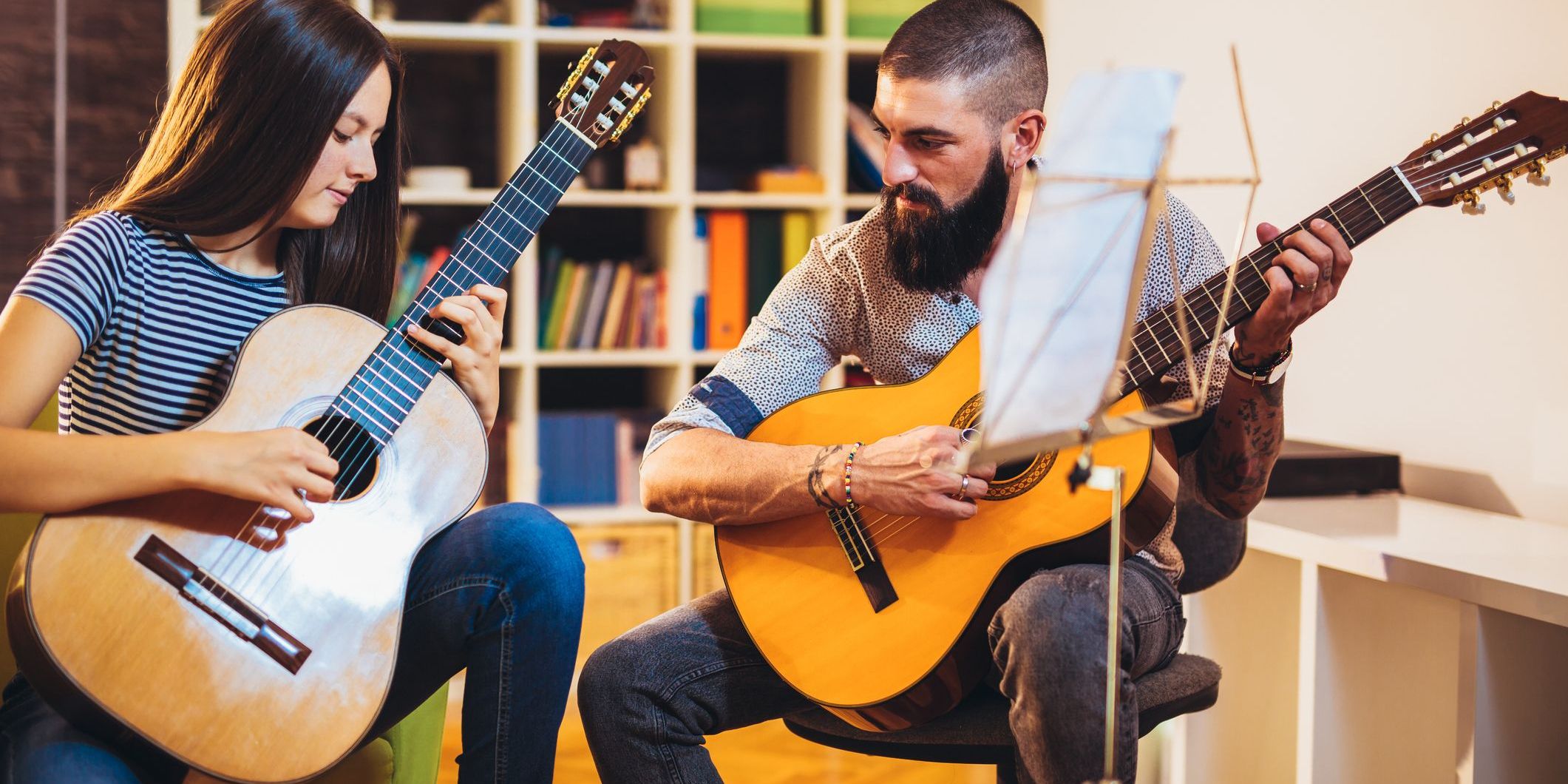
A private music instructor helps students of all ages learn to play instruments, sing, and grow their overall musical skills through one-on-one or small-group lessons. Their focus is on building technique, understanding music, and helping students feel more confident performing. Lessons are often tailored to each student’s goals, whether that’s preparing for exams, learning favorite songs, or working toward a future in music. Over time, instructors play an important role in helping students develop their abilities and enjoy music more deeply.
Private music instructors work in a variety of settings, including schools, studios, community programs, private homes, and online. Some focus on classical training, while others teach styles like jazz, pop, or musical theatre. Being successful in this role requires strong communication skills, patience, creativity, and a solid understanding of music and performance.
What does a Private Music Instructor do?
Duties and Responsibilities
The work of the private music instructor involves a balance of teaching, preparation, collaboration, and ongoing learning.
- Lesson Planning: Instructors design lessons that match each student’s skill level and learning goals. This includes selecting music pieces, exercises, and teaching materials using tools such as notation software or digital lesson planners.
- Instruction and Coaching: They teach students how to read music, interpret styles, and improve technique during one-on-one or small-group sessions. Instructors often demonstrate on their instrument or voice, provide feedback, and help students build consistent practice habits.
- Student Assessment: Instructors evaluate progress through practice logs, performance assessments, or recorded submissions. This helps determine lesson pacing, identify strengths, and adjust methods to support steady improvement.
- Scheduling and Administration: Private music instructors manage lesson times, track payments, and maintain attendance records. Some use scheduling software or spreadsheets to organize their weekly calendar and meet lesson commitments on time.
- Collaboration and Performance Support: Instructors may coordinate with school music teachers, accompany students at recitals, or prepare them for exams or competitions. These collaborations help reinforce learning and give students performance experience under real conditions.
- Professional Development: Successful instructors stay current with new teaching resources, repertoire, and music education methods. They may attend workshops, join professional associations such as the Music Teachers National Association (MTNA), or pursue advanced certifications in pedagogy.
Types of Private Music Instructors
Private music instructors work in several areas of specialization, each focusing on a particular part of the musical arts or specific teaching approaches.
- Piano Instructor: This instructor teaches students to read music, develop technique, and interpret diverse piano literature. This role attracts those with solid keyboard skills and a deep understanding of classical or contemporary repertoire.
- Vocal Instructor: This music instructor coaches singers in proper breathing, tone production, diction, and stage presence. Lessons often focus on repertoire suited to each student’s range and style, from classical to popular music.
- Guitar Instructor: This instructor guides students in playing acoustic, electric, or classical guitar through lessons in chords, scales, and rhythm. Many also incorporate digital tools such as tuner apps or recording software to track progress.
- String Instructor: The string instructor specializes in instruments such as violin, viola, cello, or double bass. They emphasize posture, bowing, and ensemble skills for students interested in orchestral or solo performance.
- Wind and Brass Instructor: This instructor works with players of instruments such as flute, clarinet, trumpet, or trombone. Lessons often address breath control and tone quality, preparing students for band, jazz, or solo settings.
- Percussion Instructor: The percussion instructor focuses on drums, mallet instruments, and rhythmic coordination. They help students build timing, reading skills, and ensemble awareness for both concert and contemporary playing.
Private music instructors have distinct personalities. Think you might match up? Take the free career test to find out if private music instructor is one of your top career matches. Take the free test now Learn more about the career test
What is the workplace of a Private Music Instructor like?
Private music instructors work in settings designed for focus, comfort, and creativity. Many teach from studios in community centers, music schools, or their own homes. These spaces are usually equipped with instruments, sheet music, stands, and teaching aids. The environment tends to be calm and personal, allowing students to learn at a steady pace without classroom distractions. Lessons often take place in the afternoons or evenings when students are available outside of school hours.
Many instructors enjoy flexible or remote work options, especially those who teach individual lessons through online platforms. Video conferencing tools such as Zoom, Microsoft Teams, or Skype allow for real-time instruction from almost anywhere with a stable internet connection. Digital keyboards, microphones, or cameras are common tools for creating effective virtual lessons. Instructors also use apps to share recordings, lesson notes, and practice assignments, which helps maintain strong communication with students and parents.
On a typical day, private music instructors may meet with students, tune instruments, select new pieces, and organize lesson notes or practice schedules. Collaboration often includes working with other teachers for recitals or student performances. The work atmosphere is personal and interactive, centered on helping students grow musically while keeping lessons engaging and enjoyable.
Frequently Asked Questions
Music-Related Careers and Degrees
Careers
- A&R Administrator
- A&R Coordinator
- A&R Representative
- Ballet Conductor
- Band Director
- Booking Agent
- Cabaret Performer
- Chamber Music Conductor
- Choir Director
- Choral Conductor
- Composer
- Conductor
- Digital Remastering Engineer
- Ethnomusicologist
- Instrumental Music Teacher
- Jingle Writer
- Librettist
- Live Sound Engineer
- Lyricist
- Music Arranger
- Music Artist
- Music Business Manager
- Music Contractor
- Music Copyist
- Music Critic
- Music Editor
- Music Executive
- Music Historian
- Music Librarian
- Music Manager
- Music Producer
- Music Professor
- Music Promoter
- Music Publicist
- Music Publisher
- Music Supervisor
- Music Teacher
- Music Theory Instructor
- Music Therapist
- Music Studio Owner
- Musical Theater Conductor
- Musician
- Opera Conductor
- Orchestral Conductor
- Orchestrator
- Performer
- Piano Accompanist
- Piano Tuner
- Private Music Instructor
- Recording Engineer
- Road Manager
- Session Musician
- Singer
- Songwriter
Degrees
Private Music Instructors are also known as:
Music Tutor
Music Mentor