What is a Soil and Water Conservationist?
A soil and water conservationist helps protect and improve the health of the land and water around us. They work to prevent soil erosion, keep water clean, and promote sustainable ways of using land. Often, they team up with farmers, landowners, and government agencies to create practical plans that conserve natural resources while supporting agriculture and healthy ecosystems. Their work can include checking soil health, monitoring water systems, and suggesting ways to reduce environmental impact.
These conservationists also play a big role in teaching and guiding communities on sustainable practices. They might plan and carry out projects like planting cover crops, building terraces, restoring wetlands, or managing irrigation systems. By mixing science with hands-on strategies, they help ensure that soil and water stay productive and clean for the future. Their work makes a real difference in balancing nature with the way people use the land.
What does a Soil and Water Conservationist do?
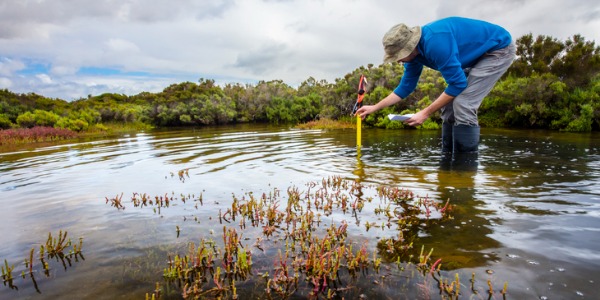
Duties and Responsibilities
Soil and water conservationists play an important role in keeping our land and water healthy. Here are key aspects of their roles:
- Land Assessment and Planning: Evaluate soil conditions, water management needs, and erosion risks using tools like soil surveys and hydrological assessments. Develop tailored conservation plans that fit the land’s characteristics, usage, and environmental goals.
- Implementation Support: Guide landowners and farmers in applying conservation practices, such as planting cover crops, building terraces, creating riparian buffers, and installing erosion control measures. Provide hands-on support and troubleshooting to ensure practices are effective.
- Watershed and Ecosystem Management: Participate in regional or watershed-scale projects that protect water quality and support ecosystems. Work with communities, agencies, and organizations to coordinate land-use strategies and minimize environmental impacts.
- Education and Outreach: Conduct workshops, presentations, and field demonstrations for farmers, landowners, and the public. Explain conservation techniques, environmental benefits, and practical steps individuals can take to maintain healthy land and water systems.
- Technical Assistance: Offer expert advice on soil and water management, nutrient management, irrigation, and sustainable agricultural practices. Help stakeholders make informed decisions to improve productivity while conserving natural resources.
- Monitoring and Evaluation: Track the success of conservation efforts by monitoring soil health, water quality, and the effectiveness of implemented practices. Adjust plans and recommend improvements based on observations and data.
- Regulatory Guidance: Help landowners navigate environmental regulations, including permits and compliance with federal, state, and local laws. Ensure that conservation practices meet legal requirements and protect natural resources.
- Collaboration and Innovation: Partner with government agencies, universities, non-profits, and research institutions to align efforts with broader environmental goals. Stay updated on new research, technologies, and innovative practices to continually improve conservation strategies.
Types of Soil and Water Conservationists
In the field of soil and water conservation, professionals may specialize in various roles based on their expertise, responsibilities, and focus areas. Here are different types of soil and water conservationists commonly found:
- Forester: Foresters manage forest resources and promote sustainable forestry practices. They may work to prevent soil erosion, control invasive species, and protect water quality within forested watersheds.
- Soil and Plant Scientist: Soil and plant scientists within the field of soil and water conservation focus on understanding soil properties, health, and classification. They play a crucial role in assessing soil conditions, recommending conservation practices, and contributing to land-use planning.
- Agricultural Engineer: Agricultural engineers design and implement systems to conserve water and soil in agricultural settings. They develop irrigation systems, soil erosion control measures, and other technologies to improve crop yields while minimizing environmental impact.
- Environmental Engineer: Environmental engineers design and implement engineering solutions to protect and manage soil and water resources. They may develop stormwater management plans, design erosion control structures, and design water treatment systems.
- Conservation Biologist: Conservation biologists study the diversity of life on Earth and work to preserve and restore ecosystems. They may work on projects to restore degraded land, protect endangered species, and promote sustainable land use practices.
- Ecologist: Ecologists examine how living organisms interact with each other and their environment. They study how soil and water quality affect plant and animal populations, and how human activities can disrupt ecosystems.
- Hydrologist: Hydrologists study the movement and distribution of water in the earth's surface and subsurface. They are concerned with how water interacts with soil, plants, and other environmental factors.
- District Conservationist: District conservationists typically work for the Natural Resources Conservation Service (NRCS) at the local level. They collaborate with landowners, farmers, and communities to develop and implement conservation plans tailored to the specific needs of the district.
- Watershed Coordinator: Watershed coordinators focus on managing and coordinating conservation efforts within specific watersheds. They work with diverse stakeholders to address water quality and quantity issues, implement best management practices, and enhance overall watershed health.
What is the workplace of a Soil and Water Conservationist like?
The workplace of a soil and water conservationist is varied and often a mix of office and field environments. Much of their work involves visiting farms, forests, watersheds, and other land areas to assess soil conditions, water resources, and conservation needs. This hands-on work may include collecting soil samples, observing land use practices, and monitoring erosion or water quality. Fieldwork can involve walking through rough terrain, sometimes in remote or rural areas, so being comfortable outdoors and physically active is important.
When not in the field, conservationists spend time in offices or labs analyzing data, preparing reports, and developing conservation plans. They may use computers to model soil erosion, track water quality, or map land resources with geographic information systems (GIS). Collaboration is a key part of the job, as they often work with farmers, landowners, government agencies, and environmental organizations to coordinate conservation efforts and implement best practices.
The work environment can be both challenging and rewarding. Field conditions may be affected by weather, seasonal changes, or difficult terrain, while office work requires careful attention to detail and strong organizational skills. However, many conservationists find satisfaction in seeing their recommendations applied successfully, helping to improve land health, protect water resources, and support sustainable practices in the community.
Frequently Asked Questions
Science-Related Careers and Degrees
Careers
- Agronomist
- Animal Scientist
- Anthropologist
- Archaeologist
- Astronaut
- Astronomer
- Astrophysicist
- Atmospheric Scientist
- Behavioral Scientist
- Biochemist
- Bioinformatics Scientist
- Biologist
- Biomedical Scientist
- Biophysicist
- Biostatistician
- Biotechnician
- Biotechnologist
- Botanist
- Cellular Biologist
- Chemical Technician
- Chemist
- Climate Change Analyst
- Clinical Psychopharmacologist
- Comparative Anatomist
- Computational Biologist
- Conservation Biologist
- Conservation Scientist
- Criminologist
- Cytogenetic Technologist
- Cytotechnologist
- Dairy Scientist
- Developmental Biologist
- Ecologist
- Ecology Biologist
- Ecotoxicologist
- Engineering Physicist
- Entomologist
- Epidemiologist
- Ethologist
- Evolutionary Biologist
- Food Science Technologist
- Food Scientist
- Forensic Pathologist
- Forensic Science Technician
- Forensic Scientist
- Forester
- Geneticist
- Geodesist
- Geographer
- Geologist
- Geospatial Information Scientist
- Herpetologist
- Horticulturist
- Hydrologist
- Ichthyologist
- Immunologist
- Industrial Ecologist
- Mammalogist
- Marine Biogeochemist
- Marine Biologist
- Marine Conservationist
- Marine Ecologist
- Marine Fisheries Biologist
- Marine Mammalogist
- Marine Microbiologist
- Materials Scientist
- Meteorologist
- Microbiologist
- Molecular Biologist
- Natural Sciences Manager
- Neurobiologist
- Neuropsychologist
- Neuroscientist
- Oceanographer
- Ornithologist
- Paleontologist
- Particle Physicist
- Pathologist
- Pharmaceutical Scientist
- Pharmacologist
- Pharmacist
- Physicist
- Physiologist
- Political Scientist
- Poultry Scientist
- Scientist
- Social Scientist
- Sociologist
- Soil and Plant Scientist
- Soil and Water Conservationist
- Systems Biologist
- Toxicologist
- Veterinary Pathologist
- Virologist
- Volcanologist
- Wildlife Biologist
- Wildlife Ecologist
- Zoo Endocrinologist
- Zoologist
Degrees
- Agronomy
- Animal Sciences
- Biochemistry
- Biology
- Biomedical Sciences
- Biophysics
- Botany
- Cellular Biology
- Chemistry
- Criminology
- Dairy Science
- Environmental Science
- Food Science
- Forestry
- Genetics
- Horticulture
- Immunology
- Microbiology
- Molecular Biology
- Pathology
- Physics
- Political Science
- Poultry Science
- Social Science
- Sociology
- Soil Science
- Zoology